
Many people believe happiness is something you either have or you don’t.
A personality trait.
A lucky outcome.
A result of good circumstances.
But science — and lived experience — tells a different story:
Joy is not a personality trait. It’s a skill. And like any skill, it can be practised.
What Science Actually Says About Joy
Joy isn’t just a feeling.
It’s a neurobiological state.
Research in neuroscience and psychology shows that positive emotional states:
-
Activate reward pathways in the brain
-
Improve nervous system regulation
-
Increase emotional resilience
-
Make it easier to recover from stress
One of the most important findings in brain science is neuroplasticity — the brain physically changes based on what we repeatedly practise.
The more often we engage in experiences of joy, presence, and connection, the stronger those neural pathways become.
In simple terms:
Your brain learns joy by doing joy.
Why Happiness Feels Harder as We Get Older
Most adults aren’t unhappy because life is objectively worse.
They’re unhappy because their nervous system is constantly in survival mode.
Modern life trains us to practise:
-
Worry
-
Productivity
-
Comparison
-
Overthinking
-
Control
Over time, the brain becomes extremely good at stress — and very out of practice at joy.
Joy hasn’t disappeared.
It’s just undertrained.
Joy Is a State, Not a Destination
Joy isn’t about:
-
Having fewer problems
-
A perfect life
-
Endless positivity
It’s about moments of aliveness:
-
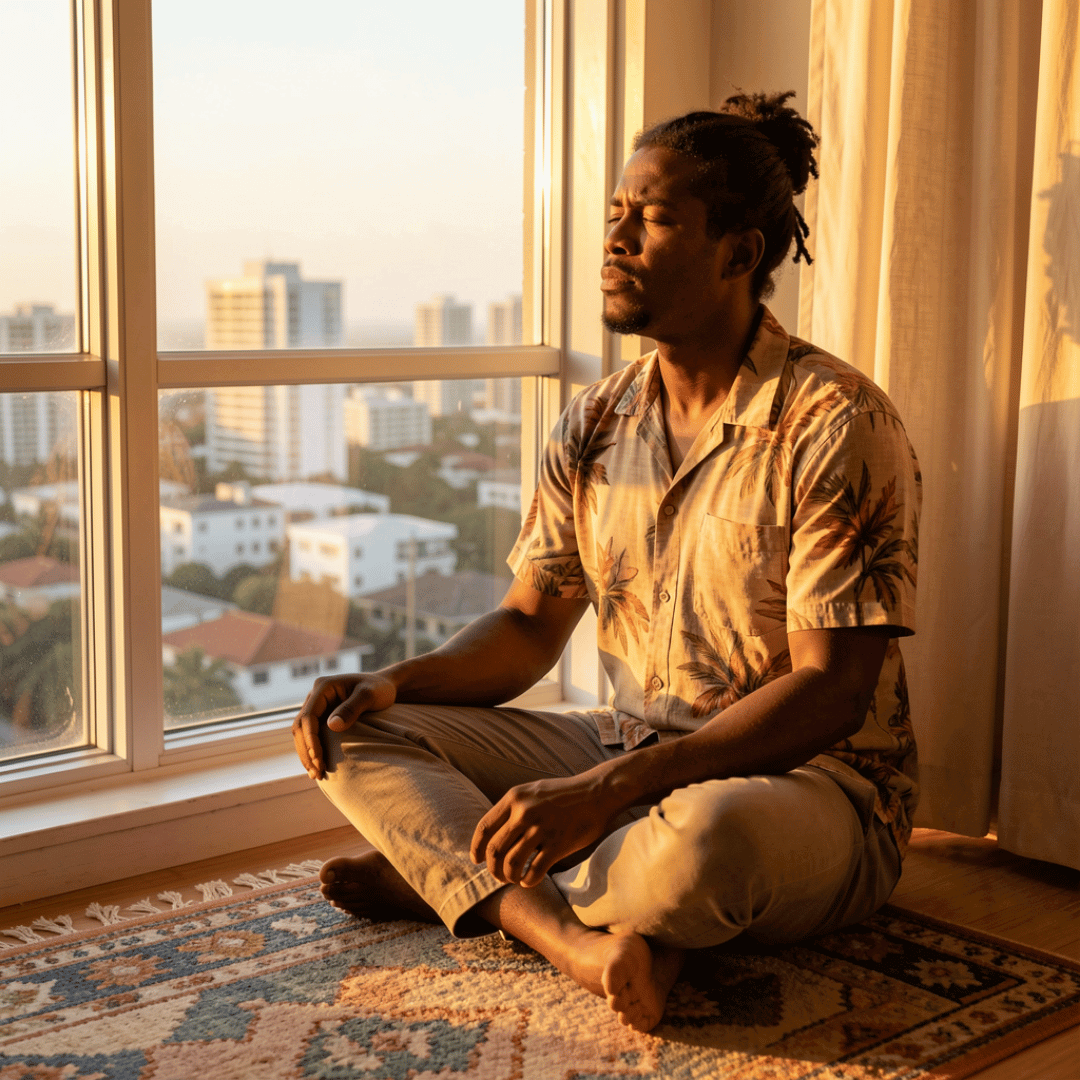
Being present in your body
-
Feeling connected
-
Letting go of control
-
Experiencing freedom, even briefly
These moments don’t arrive by accident.
They arrive through practice.
Why Movement and Play Rewire the Brain for Joy
This is where joy becomes practical.
Activities such as:
-
Dancing
-
Singing
-
Laughter
-
Playful movement
Stimulate dopamine and endorphins — chemicals linked to motivation, pleasure, and connection — while also calming the stress response.
Importantly, movement-based joy works even when you’re not “in the mood.”
You don’t have to think your way into joy.
You can move your way into it.
That’s why joy-based practices often work faster than mindset alone.
The Myth That Joy Must Be Earned
Many people unconsciously believe:
-
“I’ll be joyful when things settle down.”
-
“I don’t deserve joy right now.”
-
“Joy is for people with easier lives.”
But the nervous system doesn’t heal after joy.
It heals through joy.
Joy isn’t a reward for a life well-managed.
It’s fuel for resilience.
How Free to Be Practises Joy (Not Just Talks About It)
At Free to Be, joy isn’t a concept.
It’s an experience.
We don’t force positivity.
We don’t pretend life is easy.
We don’t demand happiness.
Instead, we practise:
-
Freedom of movement
-
Safe expression
-
Play without performance
-
Presence without pressure
And through that practice, joy returns — often quietly, sometimes unexpectedly.
A Simple Reframe to Take With You
Instead of asking:
“Why am I not happy?”
Try asking:
“What am I practising every day?”
Because what you practise — stress or joy, suppression or expression, tension or freedom — is what your nervous system learns best.
Joy is not something you wait for.
It’s something you train.
And the good news?
You can start practising today.

0 Comments