
Many people aren’t unhappy.
They’re just stuck in survival mode.
They’re functioning.
They’re coping.
They’re getting through the day.
But they’re not really living.
The shift from survival mode to living fully rarely comes from a dramatic life change.
It comes from small, intentional shifts — practised often enough to retrain the nervous system.
What Survival Mode Really Looks Like
Survival mode isn’t always panic or crisis.
More often, it’s subtle and familiar:
-
Constant rushing
-
Always thinking about the next task
-
Feeling tense even when nothing is “wrong”
-
Struggling to relax
-
Living mostly in your head
-
Feeling disconnected from joy
In survival mode, the nervous system stays on high alert.
This is helpful in emergencies —
but exhausting when it becomes permanent.
The Truth Most People Miss
You don’t exit survival mode by thinking your way out of it.
You exit it by:
-
Changing what your body experiences
-
Sending signals of safety
-
Allowing moments of ease
That’s why small shifts matter more than big intentions.
Your nervous system responds to experience — not motivation.
Small Shifts That Change Everything
1. From Control to Permission
Instead of asking:
“How do I fix this?”
Try asking:
“What am I allowed to feel right now?”
Permission reduces internal resistance —
and resistance is one of the biggest drivers of stress.
2. From Stillness to Gentle Movement
Survival mode traps energy in the body.
Even small movements help:
-
Stretching
-
Swaying
-
Walking without purpose
-
Dancing for one song
Movement tells the nervous system:
“I’m safe enough to move.”
That message alone is powerful.
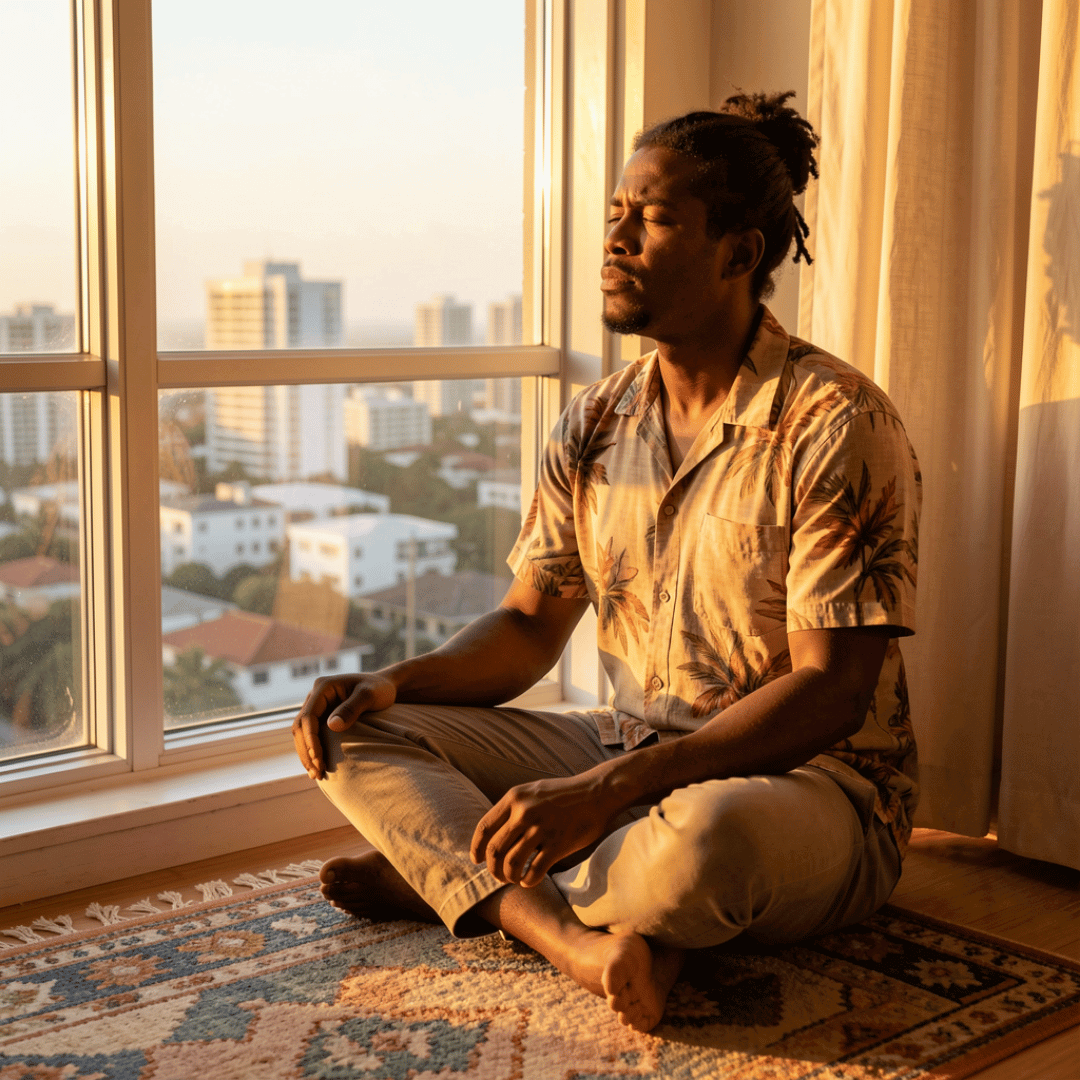
3. From Constant Doing to Brief Being
You don’t need hours of meditation.
Try:
-
One slow breath
-
One pause before responding
-
One moment of noticing your body
Living fully often starts by interrupting autopilot — even briefly.
4. From Isolation to Safe Connection
Survival mode often leads people to withdraw.
Living fully doesn’t require crowds — just one safe space.
That might be:
-
A group where you don’t have to perform
-
A place you can express without explaining
-
A moment of shared humanity
Connection regulates the nervous system faster than logic ever will.
5. From Delayed Joy to Practised Joy
Many people postpone joy:
-
“After things calm down”
-
“When life is sorted”
-
“When I deserve it”
But joy is not a reward.
Joy is regulation.
Small moments of joy, practised regularly, help the nervous system move out of survival and into safety.
Why the Body Is the Way Back
At Free to Be, we see this again and again.
People don’t arrive saying:
“I’m in survival mode.”
They say:
-
“I’m tired.”
-
“I feel stuck.”
-
“I’ve lost myself.”
And something shifts — not through analysing, but through movement, expression, and permission.
When the body feels safe, the mind follows.
Living Fully Doesn’t Mean Life Is Perfect
Living fully doesn’t mean:
-
No stress
-
No problems
-
No responsibility
It means:
-
You can feel again
-
You can rest without guilt
-
You can experience joy without earning it
-
You’re present in your own life
That’s a profound shift.
A Simple Question to Take With You
Instead of asking:
“What’s wrong with me?”
Try asking:
“What small signal of safety can I give myself today?”
A breath.
A stretch.
A song.
A moment of movement.
A space where you don’t have to perform.
Small shifts — practised consistently — change everything.
And that’s how survival turns into living.

0 Comments